
Solar
Draught-Proofing and Insulation: The Cheapest Energy Wins First
The least glamorous upgrades deliver the fastest payback of all. Seal the leaks and top up the ceiling before you spend big on hardware — your future systems will be smaller and cheaper.
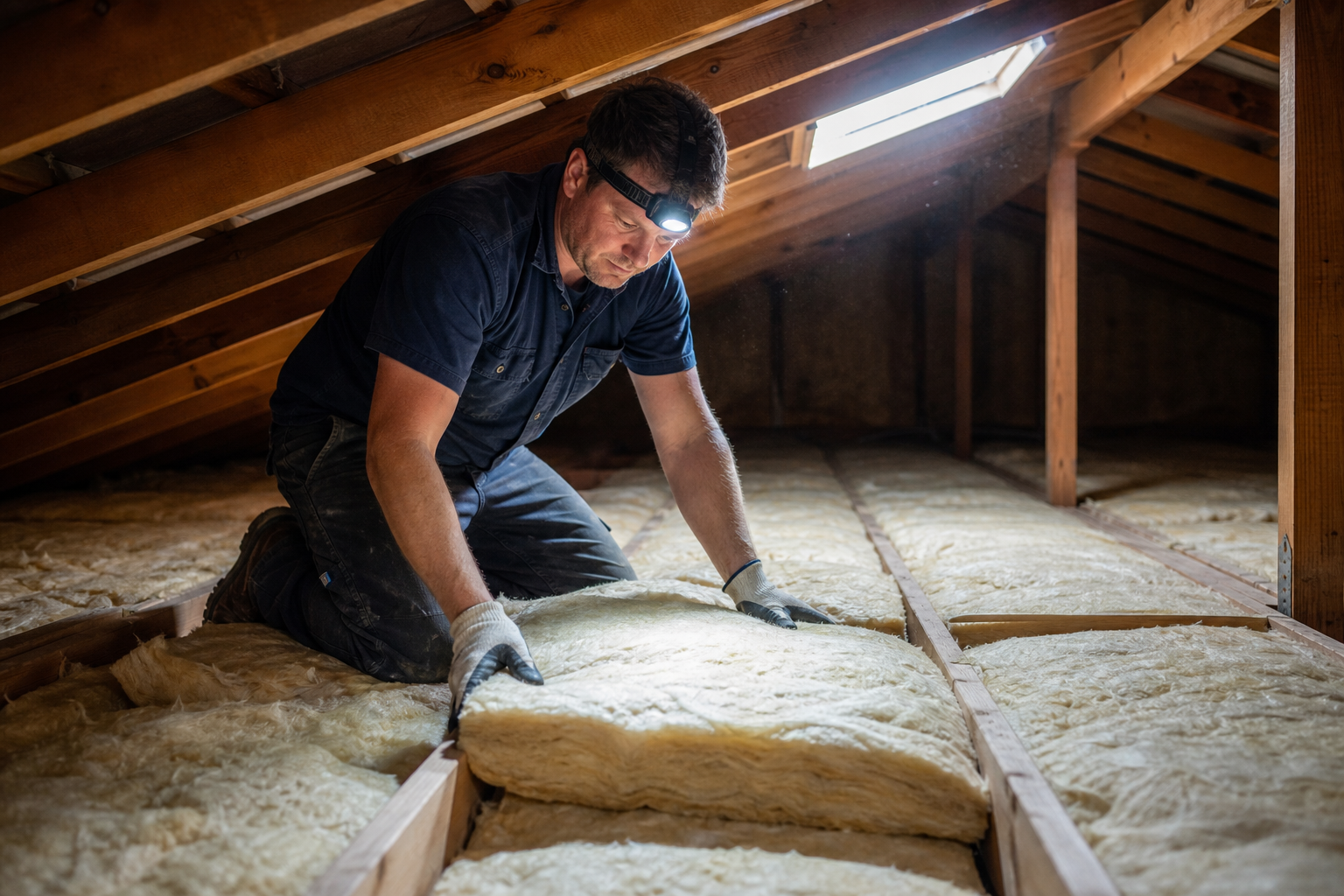
Nobody shows off their door seals at a barbecue. Solar panels glint on the roof, a new air conditioner hums impressively, but weather strips and ceiling batts are invisible. That invisibility hides a remarkable fact: sealing draughts and topping up insulation routinely delivers the fastest payback of any home energy measure, often measured in months rather than years.
Where the heat actually escapes
In a typical older Australian home, warm air leaks out through gaps around doors and windows, unsealed exhaust fans, downlights, floorboards and disused chimneys — collectively equivalent to leaving a window open all winter. Meanwhile the ceiling, if poorly insulated, sheds heat continuously in winter and soaks it in all summer. Between leakage and a weak ceiling, a large slice of your heating and cooling spend is buying comfort for the sky above your suburb.
The weekend jobs that pay for themselves
Start with an audit on a windy day: hold the back of your hand near door edges, window frames, skirting boards and fan outlets, and note where you feel moving air. Then work through the fixes. Adhesive weather strips and door snakes cost little and install in minutes. Draught stoppers for unused chimneys, covers for exhaust fans, and sealant along skirting gaps follow. None of this requires a tradesperson, and the difference on a cold evening is immediate — rooms hold their temperature instead of bleeding it away.
Insulation: check before you buy
Ceiling insulation is graded by R-value, and many homes built before the 2000s have thin, patchy or compressed material that performs far below modern standards. A safe look into the roof cavity — or a photo from an installer during a site visit — tells you quickly whether a top-up is worthwhile. Gaps matter enormously: even small uncovered areas can undo a large share of the benefit, which is why even coverage beats sheer thickness. Underfloor insulation helps homes on stumps, and heavy curtains with pelmets do surprising work on winter windows.
Why this comes before the big hardware
Here is the strategic point. Every kilowatt of heating and cooling your home no longer wastes is capacity you do not have to buy. A sealed, insulated house needs a smaller air conditioner, a smaller solar array to offset its usage, and a smaller battery to ride through the evening. Doing the cheap work first shrinks the price of everything that follows — and some efficiency measures attract support under state programs as well.
Our advice is simple: spend one weekend and a few hundred dollars on the invisible upgrades, then size the visible ones to the home you have improved. Your quotes will thank you.