
Solar
Gas to Electric: Switching Your Hot Water Without the Stress
Swapping a gas water heater for an efficient electric heat pump is one of the highest-value upgrades in the country — if you plan the changeover properly. Here is how to do it calmly.
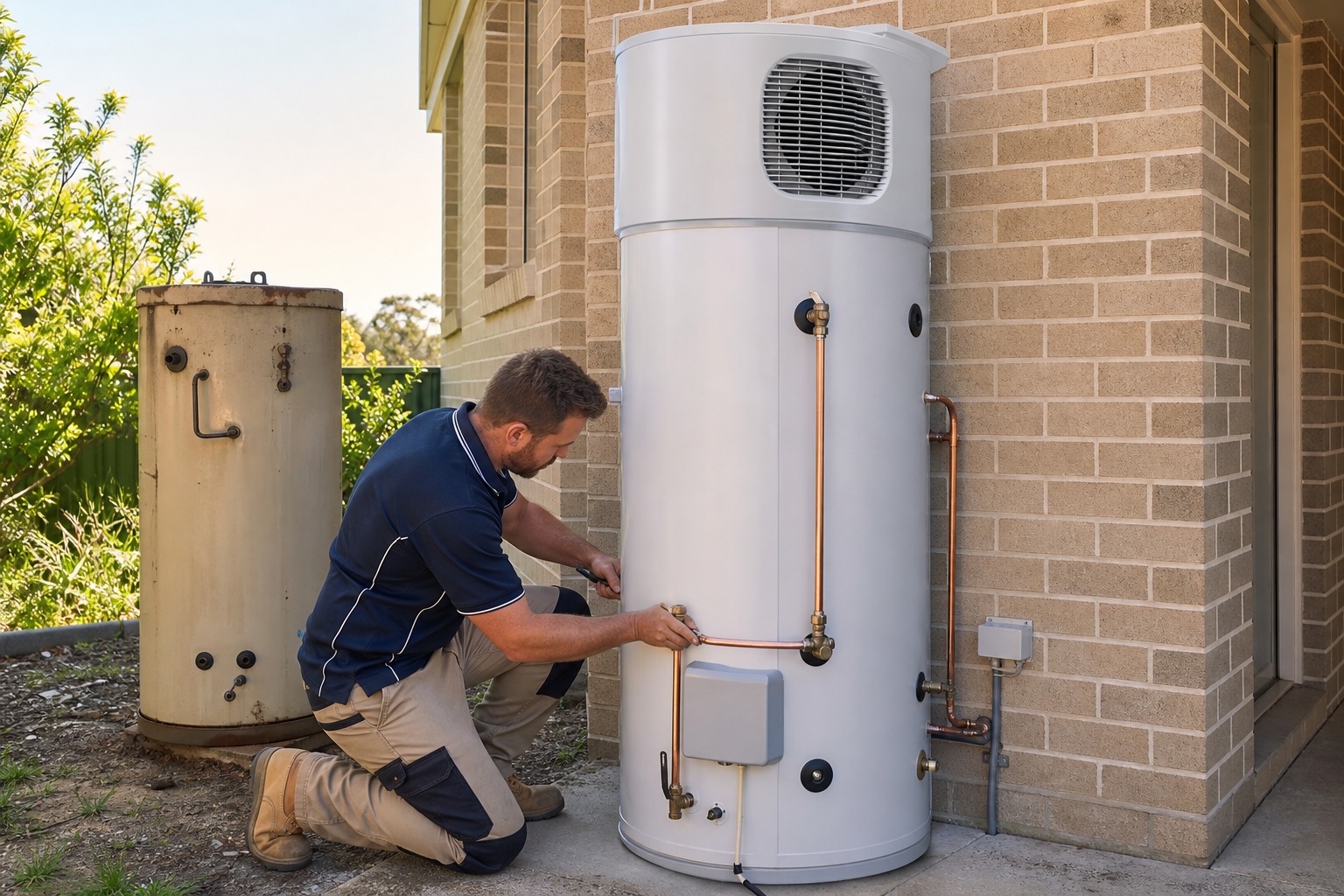
Hot water is the workhorse of household energy use, and for millions of Australian homes it still runs on gas. Switching to an efficient electric heat pump usually cuts the running cost dramatically and unlocks generous rebate support — but the switch itself makes people nervous. Will the family run out of hot showers? Does the switchboard cope? What happens to the old gas line? All fair questions, and all manageable with a little planning.
Why leave gas at all?
Three reasons keep coming up. First, cost: a quality heat pump uses roughly a quarter of the energy of a resistive electric tank and typically beats gas on running cost, especially when its run timer is set to soak up rooftop solar during the day. Second, gas supply charges: if hot water is your last gas appliance, disconnecting entirely removes a daily charge you pay all year regardless of usage. Third, incentives: heat pump hot water attracts Small-scale Technology Certificates nationally, and state schemes often add substantial extra discounts for replacing gas units specifically.
Plan the swap before the old unit fails
The worst time to choose a hot water system is the morning yours dies. Distress replacements get done in a day with whatever is on the truck — usually a like-for-like gas unit at full price with no rebate paperwork. If your gas heater is more than eight to ten years old, price the upgrade now while you can compare quotes calmly, confirm eligibility, and book the installation for a day that suits you.
What the changeover actually involves
A typical job runs a few hours. The installer drains and removes the old unit, positions the new heat pump — ideally outdoors or in a well-ventilated spot with good airflow — connects the plumbing, and runs a dedicated electrical circuit from your switchboard. Most modern switchboards handle this comfortably; an older board may need a minor upgrade, which is worth knowing from a site assessment before installation day, not during it. The gas line is capped safely, and if it was your last gas appliance you can arrange abolishment of the connection to stop supply charges.
Sizing and settings matter
Pick tank capacity for your household, not the brochure: around 250 to 300 litres suits most families of three to five. Then set the run timer for the middle of the day so your solar does the heating, and you will barely notice the system on your bill.
Handled this way, the gas-to-electric switch is a one-day job that pays you back every quarter afterwards. Our team quotes the whole package — unit, installation, switchboard check and rebate paperwork — so the price you see is the price you pay.