
Solar
The Complete Home Energy Upgrade Checklist for 2026
Before you spend a dollar on solar or a new hot water system, walk through this room-by-room checklist. It shows you what to fix, in what order, and where government support fits in.
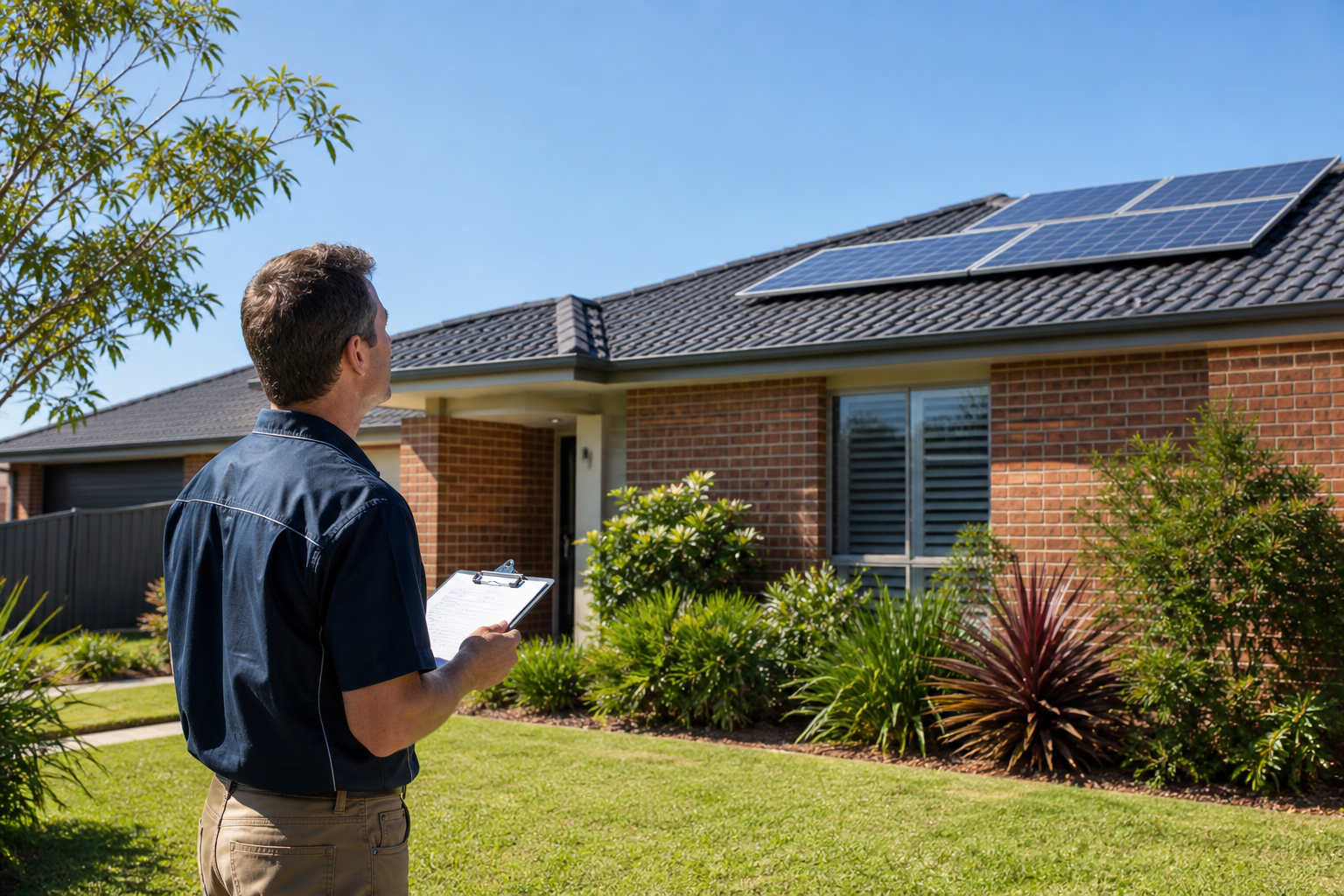
Most households approach energy upgrades backwards. They start with the product a salesperson happens to be selling that month, rather than with the house itself. A checklist flips that around: you assess what your home actually needs, then match products and rebates to those needs. Here is the walkthrough we use before recommending anything.
Step one: pull twelve months of bills
Grab a full year of electricity and gas bills, because a single quarter hides the seasonal story. Note your average daily usage in winter and summer separately, and circle the biggest line items. If gas heating dominates winter and air conditioning dominates summer, your priorities will look very different from a household whose bills are flat year-round. This twenty-minute exercise stops you paying for capacity you will never use.
Step two: walk the building shell
Before any appliance changes, check the envelope. Feel for draughts around external doors, windows, exhaust fans and unused chimneys on a windy day. Poke your head into the ceiling cavity and check whether insulation is present, even, and undamaged. A leaky, uninsulated home wastes a share of every kilowatt-hour you buy, whether it comes from the grid or your own roof.
Step three: list your appliances by age and fuel
Write down every major energy user — hot water system, heater, air conditioner, cooktop, pool pump — with its approximate age and fuel type. Anything gas-fired or more than ten years old goes on the watch list. The goal is to replace these items on your schedule, with rebates applied, rather than in a panic when they fail on a cold morning.
Step four: match upgrades to support programs
Now overlay the incentive landscape. Small-scale Technology Certificates reduce the cost of eligible solar and heat pump hot water nationally. State programs such as the Victorian Energy Upgrades scheme add further discounts for efficient hot water, heating and other measures, with eligibility rules that change over time. Because support differs by state and by product, this is the step where professional guidance earns its keep — the same upgrade can carry very different net prices depending on how it is claimed.
Step five: sequence the work
Finally, put the jobs in order. Seal and insulate first, because it is cheap and makes everything downstream smaller. Replace the oldest, least efficient appliance next — usually hot water. Then size solar to your improved, all-electric usage rather than your old bills, and consider a battery once you can see your export pattern.
Work through the list honestly and you will spend less, claim more, and end up with a home that stays comfortable on a fraction of the energy. If you would like a second pair of eyes, our consultants run this exact checklist over the phone, free of charge.