
Solar
Upgrading in Stages: A Sensible Order for Solar, Hot Water and Cooling
Few households can do everything at once — and you should not try. Here is the staging order that keeps every dollar working while you electrify one step at a time.
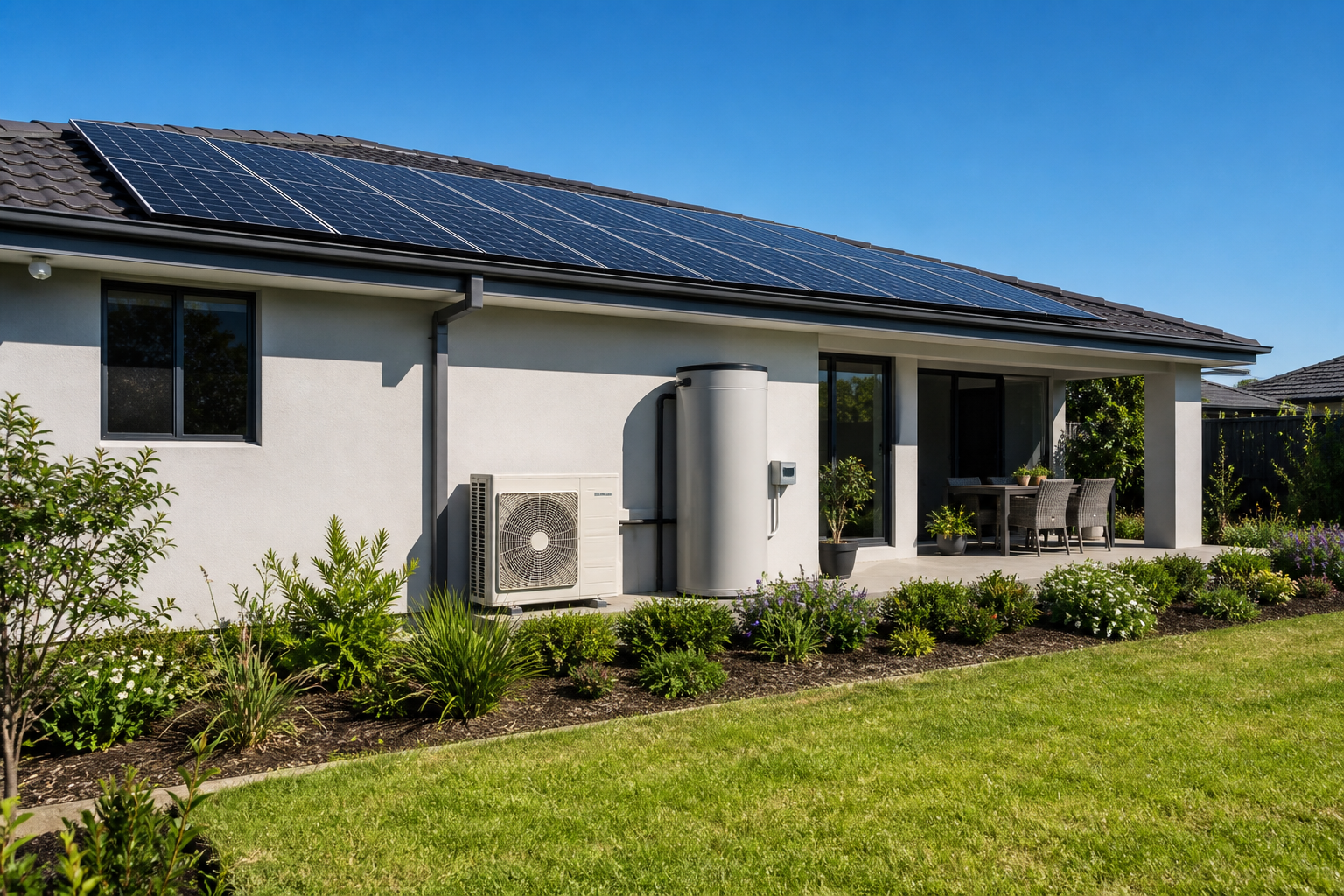
The all-at-once home electrification makeover makes great television, but real households upgrade in stages, as budgets, rebate rounds and appliance failures allow. The good news is that staging is not a compromise — done in the right order, each step makes the next one cheaper and better sized. Here is the sequence we recommend, and the reasoning behind it.
Stage one: efficiency and information
Begin with the low-cost groundwork — draught sealing, insulation top-ups and a clear picture of your actual usage from twelve months of bills. This stage costs the least and shrinks every quote that follows, because a more efficient house needs smaller systems. It also tells you which appliance is doing the most damage to your bill, which sets the order for everything else.
Stage two: replace the worst appliance — usually hot water
Hot water is commonly the single largest controllable energy user, and old gas or resistive electric tanks are the classic offenders. A heat pump replacement attracts strong incentive support, works in any home with or without solar, and starts saving from day one. If your heater is aging, do this before it forces your hand. Households whose heating is an ancient gas ducted system may reasonably swap this stage with stage four — let your bills make the call.
Stage three: solar, sized for your electric future
With efficiency handled and your biggest gas load gone, install solar sized for the home you are becoming, not the one you had. That usually means allowing headroom for the reverse-cycle systems or the electric vehicle you can see coming in the next few years. Sizing after the hot water switch matters: your new heat pump running on a midday timer becomes essentially free to operate, and your self-consumption figures improve immediately.
Stage four: heating and cooling
Modern reverse-cycle air conditioners are the most efficient heaters you can buy, delivering several units of warmth per unit of electricity. Replacing gas heating with reverse-cycle units — room by room if needed — pairs beautifully with the solar now on your roof, and support programs frequently assist with this swap too.
Stage five: battery, once the data says yes
Last comes storage. After a few months of solar monitoring you will know exactly how much you export each day and what you buy back each evening — the two numbers that decide whether a battery stacks up. Buying it last means buying the right size with real data instead of guesses.
Five stages, each funded partly by the savings of the one before, each supported by whatever rebates apply at the time. If you want a staging plan mapped to your own home and budget, that conversation is free — and there is no obligation attached.